
Tezos Baking.
Baking is the energy-efficient process of signing, validating, and publishing new blocks to the Tezos blockchain. Best of all, anyone can participate!
Featured projects
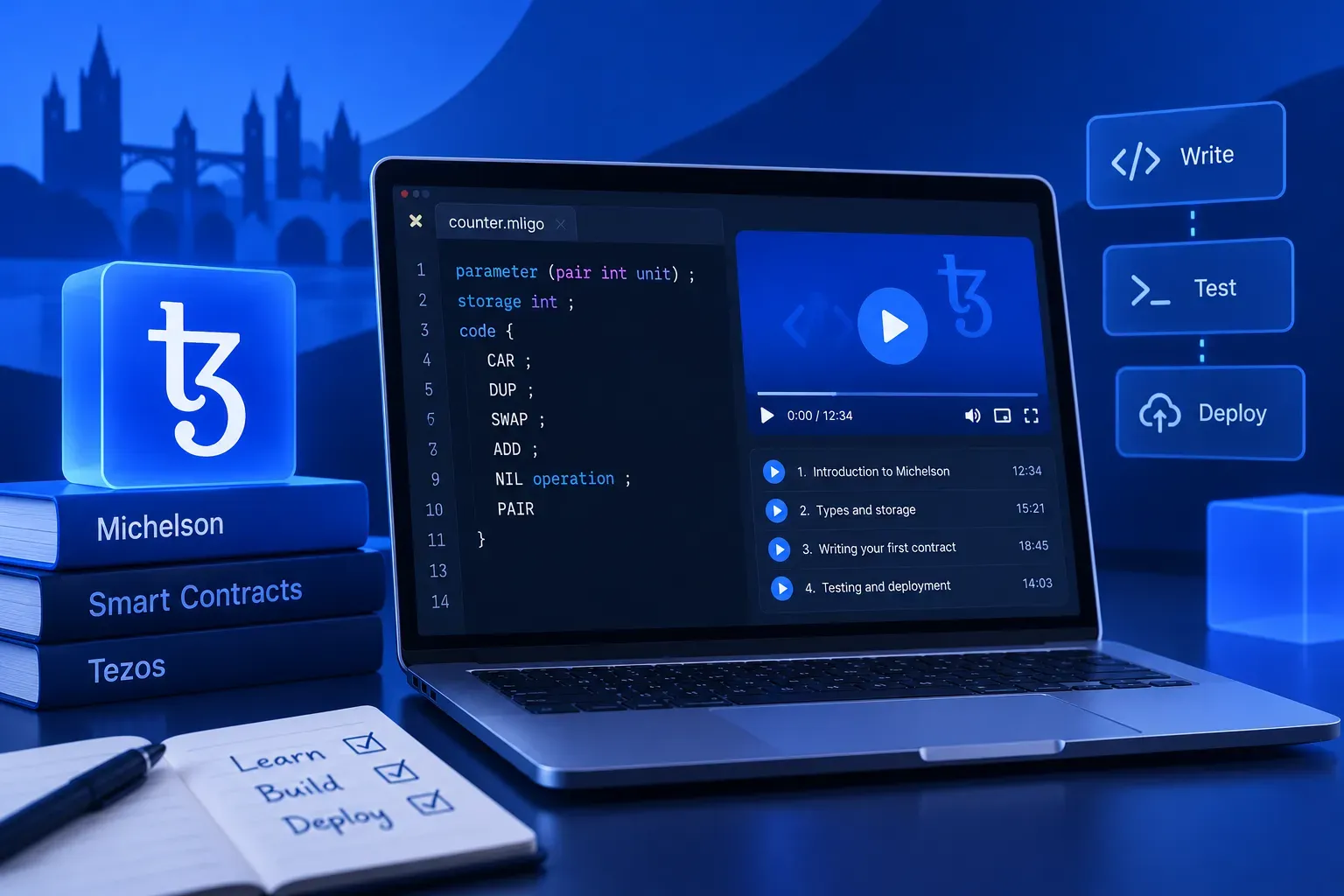
MichelsonSmart contract
A live-coding video series that walks through writing Michelson smart contracts, step by step.
Stats
Tezos network
& baking stats.
Current statistics and performance metrics for the Tezos network and baking operations.
Current APY
Estimated annual returns for staking with a baker or delegating to one.
- Staking APY
- 6.39%
- Delegating APY
- 2.09%
Network performance
Key metrics for Tezos network performance.
- Active bakers
- 195
- Total staked tez (XTZ)
- 355,220,389
- Current cycle
- 1416
- Block time
- 6 seconds
APY data provided by Baking Bad
About
What is baking?
Baking is how Tezos validates transactions and adds new blocks. Bakers produce and attest blocks, vote on every protocol upgrade, and earn tez (XTZ) for their contribution to the network.

Rewards
Bakers earn block rewards, attestation rewards and transaction fees, plus commission on stake delegated to them.

Requirements
A minimum of 6,000 tez (XTZ) staked, which can include stake from external stakers. A reliable machine, and an always-on connection. Cloud or bare metal both work.

Stakers
Others stake their tez (XTZ) with your baker. Their funds raise your baking power, you share the rewards.
Get started
From beginner to your
first block.
Everything you need to set up and run your own Tezos baker.

01
Bare metal, cloud, or a Raspberry Pi at home, compare all ways to become a baker.

02
Hot keys, remote signers and hardware wallets, keep your baker's keys safe from day one.

03
Minimum specs, recommended machines, and what actually matters for uptime.

04
To run a baker, you'll need to download some software. Don't worry, it's free and open-source.

05
Dashboards, alerts and health checks that catch problems before missed blocks.

06
Rehearse the full setup on Shadownet, which mirrors mainnet, and test protocol switchovers on Bakingnet before risking real tez (XTZ).
Docs & tutorials
Read first, bake second.
Comprehensive guides and tutorials to help you become a successful baker.
The complete reference for the Octez suite — node, baker, client and signer.
Node modes, history modes and snapshots, explained on docs.tezos.com.
A full course from delegating to running your own baker, step by step.
From fresh machine to first attestation with a single toolchain.
How the voting periods work, and how bakers cast their ballots.
Baking tools
Built for bakers.
Automated payout tool for Tezos bakers to distribute rewards to delegators.

Comprehensive analytics, visualization, and ecosystem data for Tezos.

Fast and reliable snapshot service for bootstrapping your Tezos node quickly.
Advanced Tezos block explorer with detailed baking statistics and API.
Automated payout tool for Tezos bakers to distribute rewards to delegators.
Comprehensive analytics, visualization, and ecosystem data for Tezos.
Fast and reliable snapshot service for bootstrapping your Tezos node quickly.
Advanced Tezos block explorer with detailed baking statistics and API.
Governance
Bakers steer
the protocol.
Tezos upgrades itself through an on-chain amendment process and bakers cast the votes. Your baking power is voting power.
01
Proposal period
Bakers inject and upvote amendment proposals. The most supported proposal advances.
02
Exploration & cooldown
A first ballot with supermajority and quorum, then a cooldown before the final round.
03
Promotion & adoption
The final ballot. If it passes, the new protocol activates automatically — no forks, no downtime.